When Your Skin Acts Strange
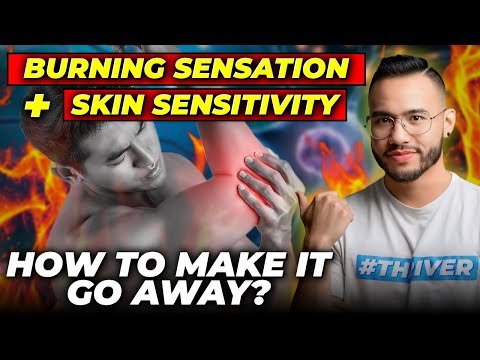
Skin sensations are one of the more unsettling symptoms people deal with in CFS. Your skin might burn for no clear reason. It might tingle, prickle, or feel like something is crawling across it. Clothing or a light touch that should feel like nothing can feel painful or raw.
These sensations can come and go, move around the body, or settle in one spot. There's often no rash, no redness, nothing to see. That mismatch between how it feels and how it looks is part of what makes it so confusing and, honestly, scary.
If this is happening to you, you're not imagining it and you're not making it up. These sensations are real. The key to understanding them is the nervous system, and specifically how a sensitized system handles signals it would normally let pass.
Signals Without Damage
The main driver behind these skin sensations is usually central sensitization. This is a state where the nervous system turns up the volume on incoming signals and can even generate sensations on its own. The nerves fire and report pain, burning, or tingling without any actual damage to the skin underneath.
Think of the nervous system as a network of wiring that carries signals about touch, temperature, and pain. When that wiring is sensitized and on high alert, it gets jumpy. It misreads normal input and sometimes fires off signals when there's no input at all. The result is burning, tingling, or crawling sensations that feel completely real but don't reflect harm.
A state where the nervous system amplifies and sometimes generates signals on its own. Touch, temperature, and pain pathways become jumpy, so normal input gets read as burning or pain, and sensations can appear with no physical cause. The skin is fine. The signaling is turned up.
This is the same mechanism behind a lot of CFS symptoms, from widespread pain to sensitivity to light and sound. The nervous system is in a heightened state, and the skin is just one of the places that shows up. It connects to the broader pattern of a system stuck in fight or flight.
Real, and Amplified
It's worth sitting with this point because it's easy to misread. Saying these sensations come from a sensitized nervous system does not mean they're fake or that it's all in your head. The burning is real. The tingling is real. You really are feeling what you're feeling.
What's happening is that the signal is amplified beyond the actual input. A calm nervous system might register a light touch as nothing. A sensitized one can register that same touch as burning or pain. The experience is real, the volume is just turned up far higher than the situation calls for.
This reframe matters for recovery. If the skin itself were damaged, you'd be stuck. But a sensitized system can be calmed back down. Your nervous system is stuck, not broken, and these sensations are a sign of a system that's overreacting, not a body that's falling apart.
How Fear Turns Up the Volume
There's a loop that can make these sensations worse, and it's worth understanding because you have some say over it. A strange sensation shows up. It feels alarming. You focus on it, brace against it, and worry about what it means. That fear and attention put the nervous system on higher alert, which can turn the volume up even more.
The nervous system pays extra attention to whatever it thinks is a threat. When you treat a burning patch of skin as dangerous, the system flags it as important and monitors it closely, which tends to amplify it. It's not your fault, and it doesn't mean you caused the sensation. It means fear is one input you can work with.
Meeting the sensation with steadiness instead of panic sends a different signal. "This is my nervous system being sensitized. It's uncomfortable, and it's not dangerous." That calmer response, practiced over time, helps the system stop treating the sensation as an emergency. We go deeper on this in our piece on the mental battle of CFS.
Getting Checked First
Before you settle on a nervous-system explanation, get checked by a doctor. We're a coaching and education team, not medical providers, and skin and nerve sensations can have other causes worth ruling out.
A doctor can look into things like vitamin deficiencies, thyroid issues, nerve-related conditions, skin conditions, and reactions that might explain what you're feeling. This matters especially if the sensations come with a visible rash, are tied to one specific area that's worsening, or come with weakness or numbness. Those deserve a proper medical look.
Ruling out other causes is part of doing this well, not a delay. It also helps calm the fear, because uncertainty about what a symptom means is itself a stressor that keeps a sensitized system wound up. Knowing you've been checked lets you focus on the recovery work with more peace of mind.
Calming the Skin Down
Once other causes are ruled out, the approach is to desensitize the nervous system. There's no special skin trick here, because the skin isn't the problem. The work is the same broad recovery work that calms the whole system down.
That means steady pacing to step out of the push-crash cycle, protecting sleep, reducing overall sensory load, and meeting the sensations with steadiness rather than alarm. Each of these takes weight off a system that's running hot.
On top of that sits brain retraining, the steady practice of teaching the nervous system that it's safe. As the system desensitizes, the wiring settles, and these burning and tingling sensations tend to ease alongside the other symptoms. You can see how the full approach fits together in how it works.
TL;DR Summary
- Burning, tingling, crawling, and painful-to-touch skin is common in CFS
- It usually comes from central sensitization, where the nervous system fires signals without any skin damage
- The sensations are real but amplified far beyond the actual input. The skin is fine, the signaling is turned up
- Fear and close attention put the system on higher alert, which can turn the sensations up louder
- Get checked by a doctor first to rule out deficiencies, nerve, thyroid, and skin causes
- Desensitizing the nervous system through pacing, sleep, reduced load, and brain retraining tends to settle it