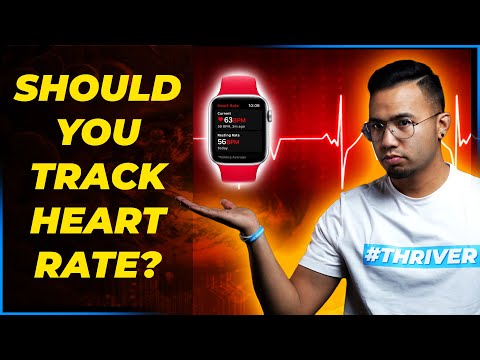
Why Heart Rate Tells You Something
Your heart rate is one of the easiest windows into your nervous system. The same system that decides whether you're in a calm state or a high-alert state also sets the pace of your heart. When your body shifts toward fight or flight, your heart rate usually climbs. When it settles, your heart rate tends to come down.
For people with CFS and POTS, this makes a heart rate monitor genuinely useful. It can show you, in real numbers, when your system is ramping up, sometimes before you feel it. That early read gives you a chance to respond before a small ramp turns into a crash.
It also takes some of the guesswork out of pacing. Fatigue and brain fog can make it hard to judge how hard you're working. A heart rate number is steady and honest. Used well, it's like having a calm dashboard for your nervous system. Used poorly, it can become one more thing to worry about, which is why the rest of this guide matters as much as the tool itself.
Heart Rate as a Pacing Tool
The most practical use of a heart rate monitor is pacing. The aim of pacing is to stay inside your energy envelope so you don't overshoot and crash. Heart rate gives you a visible edge to that envelope.
Many people work with a personal upper number, sometimes called a threshold, and try to stay under it during daily activity. When the number drifts up, it's a cue to slow down, sit, or take a break before pushing on. This helps you step out of the push-crash cycle, because you catch the overexertion early instead of feeling it a day later.
The right threshold is personal and best worked out with a coach or clinician rather than copied from someone else. The point isn't to hit a perfect number. It's to use the trend as a gentle guide. If your heart rate keeps creeping up through a task, that's your body asking for a pause, and the monitor just made the request visible. Our guide on how to pace yourself covers the broader approach.
What HRV Adds
Many trackers also report heart rate variability, or HRV. This measures the small differences in timing between heartbeats. A bit of natural variation is a sign of a flexible, settled nervous system. Very little variation often points to a system that's stuck in a more guarded, high-alert state.
For recovery, HRV can give a rough daily read on how settled you are. A higher reading for you often lines up with a calmer, more recovered state. A lower reading can be a nudge to take it gentler that day. It's a general signal rather than a precise verdict, and it shifts with sleep, stress, illness, and many other things.
The small, natural variation in time between heartbeats. More variability usually reflects a flexible, settled nervous system. Low variability often reflects a system stuck in a guarded, high-alert state. It's a rough daily signal, not a precise score, and it shifts with many factors.
Treat HRV as one input among several. Paired with how you feel and how your heart rate behaves, it can help you decide whether to expand a little or hold steady. On its own, a single number means very little, so try not to read too much into any one day.
Spotting POTS and Dysautonomia
Heart rate data can also help flag dysautonomia, a problem with the automatic nervous system that's common alongside CFS and long COVID. The best-known pattern is POTS, where the heart rate jumps sharply when you stand up.
If your monitor shows your heart rate leaping when you go from lying or sitting to standing, often with dizziness, lightheadedness, or a pounding feeling, that's worth noting and bringing to a doctor. POTS has specific criteria that a clinician checks properly, so the monitor is a clue, not a diagnosis. Our guide on POTS and CFS explains the overlap.
The reassuring part is that dysautonomia and POTS are closely tied to the same nervous system that recovery works on. As the system calms out of its high-alert state, many people find these patterns ease alongside their other symptoms. A doctor guides the medical side, while the recovery work supports the underlying nervous system balance. You can read more on our long COVID page, where POTS often shows up.
Keeping It a Tool, Not an Obsession
A heart rate monitor can quietly become a source of stress. You start checking it every few minutes. A high number triggers worry, the worry raises your heart rate, and now the device is feeding the very alarm you're trying to calm. That's the opposite of what you want.
Remember that the goal of recovery is to teach your nervous system it's safe. A device that keeps you scanning for danger works against that. If the numbers are making you more anxious, more watchful, and more braced, the tool has stopped helping. The data is meant to inform calm choices, not to run your day or confirm your fears.
A simple test: does checking your monitor leave you calmer and clearer, or tighter and more worried? If it's the second, it's time to check less often, hide some features, or take a break from it. The tool serves your recovery, not the other way around.
How to Use It Well
Used with a light touch, a heart rate monitor can support pacing and awareness without feeding anxiety. A few habits keep it on the helpful side.
- Use it to guide pacing, not to judge or grade yourself
- Watch trends over days, not single readings
- Set a personal threshold with a coach or clinician, not from the internet
- Check at set times rather than constantly glancing
- Pair the numbers with how you actually feel
- Take breaks from it if it starts feeding worry
A heart rate monitor is a window into your nervous system, and a window is only useful if looking through it leaves you calmer and better informed. Let the data guide gentle, steady choices, and bring any standing heart rate jumps, dizziness, or other concerns to your doctor. We're a coaching and education team, not medical providers, so a clinician handles diagnosis and any medical questions about POTS or dysautonomia. You can see how people work with these patterns in our recovery stories.
TL;DR Summary
- Heart rate is a window into your nervous system, rising when your body shifts toward its high-alert state
- It works as a pacing tool. Watching for upward drift helps you ease off before a small ramp becomes a crash
- HRV gives a rough daily read on how settled your system is, best used as one input among several
- A big heart rate jump on standing is a common sign of POTS worth checking with a doctor
- Keep it a tool, not a master. If the numbers feed anxiety and constant checking, it's working against you
- A doctor handles diagnosis of POTS and dysautonomia. The recovery work supports the underlying balance