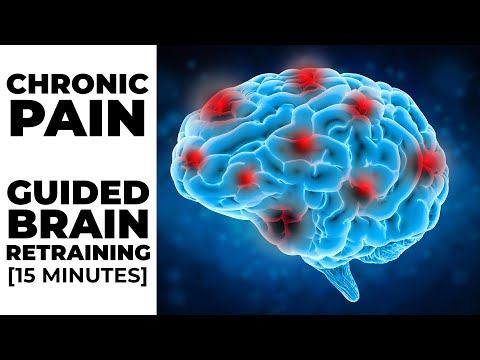
Pain Is a Protective Output
Most of us grow up thinking pain works like a simple gauge: more damage means more pain, less damage means less pain. Pain science tells a richer story. Pain is something your brain creates, an output it produces when it decides you need protection. It's based on the tissue, but also on context, stress, past experience, and how safe you feel.
This is why pain and damage don't always match. People walk around with worn joints on a scan and feel fine. Others have severe pain with nothing showing up on tests. The brain is always asking, "How much danger am I in here?" and producing pain as its answer. That answer is real and it hurts, even when the tissue is okay.
Understanding this is not about being told the pain is in your head. The pain is real. It's about seeing that pain is a protective signal the brain controls, which means the brain can also learn to dial it back. You can read more on our chronic pain page.
When the Alarm Gets Stuck On
Pain works like a smoke alarm. Its job is to warn you so you act before harm is done. In the short term, that's lifesaving. The trouble with chronic pain is that the alarm can get stuck in the on position, firing long after the original cause has healed.
This happens through central sensitization, where the nervous system turns up the volume on pain signals. Once sensitized, the system reacts to smaller and smaller triggers. A light touch, a normal movement, or even the thought of pain can set off the alarm. The warning system has become oversensitive, like a smoke alarm that goes off when you make toast.
None of this means your body is broken or that the pain is imaginary. It means a protective system has become too good at its job. The alarm is stuck, not the body. And a stuck alarm can be retrained to settle.
A state where the nervous system amplifies pain signals, turning the volume up. After it sets in, smaller triggers produce more pain, and the alarm can fire even without new injury. It's a learned pattern in the nervous system, which means it can be unlearned.
Neuroplasticity and the Pain Dial
The reason chronic pain can ease is neuroplasticity: the brain's ability to change its own wiring through experience and repetition. The same plasticity that let the nervous system turn the pain volume up can also let it turn the volume down.
Think of the pain pathways like a trail worn into grass. The more the path gets walked, the deeper and easier it becomes. Chronic pain is a deeply worn pain trail. Neuroplasticity means new trails can be formed and old ones can grow over with less use. It takes repetition, but the brain is built to change.
This is hopeful news. It means chronic pain isn't necessarily a fixed life sentence written into the tissue. It's a pattern in a nervous system that can learn. The work is to send that system enough signals of safety, often enough, that it starts to lower the dial. Our overview of what brain retraining is explains the mechanism.
How Brain Retraining Helps Pain
Brain retraining is the practice of teaching the nervous system that it's safe right now, so it stops over-protecting. With chronic pain, that means changing the way you respond to pain signals so the alarm gets fewer reasons to keep firing.
A big piece is the fear-pain loop. Pain shows up, you react with fear and bracing, the fear tells the brain there's danger, and the brain produces more pain. Breaking that loop is central. Meeting a pain signal with steadiness, "this is my alarm being oversensitive, I'm safe," sends a different message than panic does. Over time, that calmer message helps the alarm settle.
Retraining also uses calming practices, steady attention, and gentle shifts in language to lower the overall alarm state. None of it is about forcing the pain away or gritting your teeth. It's about consistently teaching the nervous system that it can stand down. You can see how this plays out across symptoms in our piece on brain retraining and symptoms.
Gentle, Safe Movement
Movement matters for chronic pain, but the approach is very different from "push through it." When the alarm is stuck on, the brain often flags normal movement as dangerous, which makes you move less, which makes the brain even more protective. Gentle, safe movement breaks that cycle by teaching the brain that motion is okay.
The key words are gentle and safe. You start well within your comfort, with small amounts that don't spike the alarm, and build slowly from there. The goal is to give your nervous system repeated proof that movement isn't a threat. Each easy, pain-tolerable movement is a small safety signal that helps the dial come down.
This is not pushing through pain, and it's not testing your limits to see what hurts. Sharp or rising pain is a sign to ease back, not to power on. Slow, steady, safe movement is what retrains the system. If you also deal with fatigue, our guide on how to exercise with CFS covers pacing movement carefully.
How to Start Turning the Volume Down
Turning down chronic pain is a gradual process built on consistent signals of safety. A few steady practices tend to help most.
- Learn how pain works, so the brain reads it as less threatening
- Meet pain signals with calm language instead of fear
- Add small amounts of gentle, comfortable movement
- Use calming practices daily to lower the overall alarm state
- Pace your activity so you don't trigger big flares
- Be patient and consistent, since the brain changes through repetition
These work together over time. The learning lowers the threat. The calm responses break the fear-pain loop. The gentle movement proves motion is safe. Repeated often enough, this combination helps the nervous system turn the volume down.
Chronic pain that's driven by a stuck alarm can ease, because the brain that learned the pattern can learn a new one. Your nervous system is stuck, not broken. We're a coaching and education team, not doctors, so always have a medical professional rule out other causes of pain before you begin, and check in about any new, severe, or changing pain. You can see what this kind of recovery looks like in our recovery stories.
TL;DR Summary
- Pain is a protective output the brain creates, and it doesn't always match the state of the tissue
- Chronic pain often means a stuck alarm. Central sensitization turns the volume up and the warning keeps firing after healing
- Neuroplasticity means the brain can change. The wiring that turned pain up can learn to turn it down
- Brain retraining sends safety signals and breaks the fear-pain loop, helping the alarm settle
- Gentle, safe movement teaches the brain that motion is okay. This is not pushing through pain
- Have a doctor rule out other causes first, then build the change through steady, repeated practice